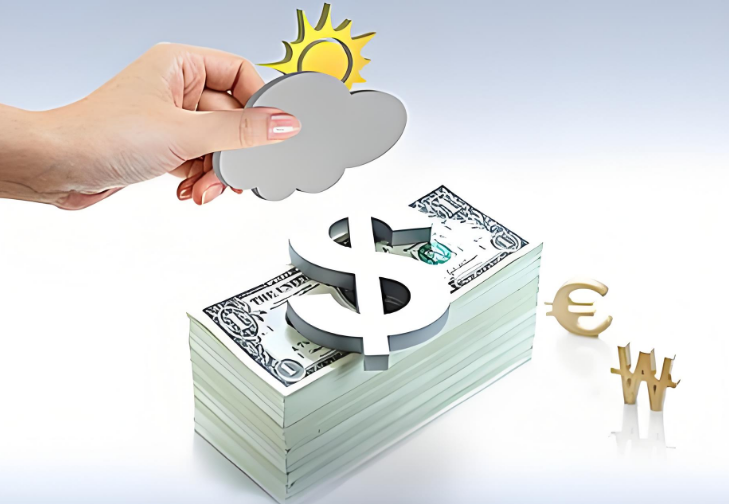
1. Why Interest Rate Hikes Affect Consumption
During a rate-hiking cycle, rising interest rates directly increase borrowing costs, which suppress consumer demand. When loan and credit card rates rise, a larger portion of household income is allocated to debt repayment, leaving less disposable income for spending. This effect is most noticeable in durable goods and large-ticket consumption categories such as automobiles, household appliances, and premium services.
Consumption is a key driver of economic growth. Therefore, demand slowdowns often lead to weaker retail sales performance and create ripple effects across related industries. In periods of declining demand, markets tend to focus more on corporate profitability quality rather than simple sales volume growth.
2. How Interest Rates Change Consumer Behavior
Higher interest rates increase the cost of personal credit, making purchases financed through loans—such as cars, homes, or installment-based consumption—more expensive. As monthly repayment burdens rise, some consumers postpone or cancel spending plans, leading to reduced market demand.
At the same time, the attractiveness of saving increases. In high-rate environments, capital may shift from consumption toward savings and low-risk investments, further weakening short-term spending momentum. This behavioral shift reflects the transmission mechanism of monetary policy on economic activity.
3. Impact on Interest-Rate-Sensitive Industries
In tightening cycles, interest-rate-sensitive industries often experience significant pressure. Sectors such as retail, real estate, and automotive markets are particularly vulnerable because they rely heavily on credit availability and consumer purchasing power.
When demand declines, companies may use promotional pricing and sales incentives to maintain market share, but profit margins can be squeezed. As a result, competitive dynamics within these industries tend to shift during periods of demand contraction, with well-managed and efficient firms better positioned to maintain resilience.
4. Macroeconomic Balance and Policy Considerations
From a macroeconomic cycle perspective, interest rate hikes are not solely intended to suppress growth but to control inflation and prevent economic overheating. Once price pressures are contained, consumer purchasing power and market confidence may gradually recover.
Policymakers must balance inflation control with economic stability. Excessive tightening could accelerate demand contraction, while measured policy adjustments help facilitate a soft landing and sustainable economic conditions.
5. Strategies for Businesses and Investors
During periods of slowing demand, companies should prioritize product competitiveness and operational efficiency. Offering high-value products and quality services helps maintain market position even in challenging conditions.
For investors, focusing on industries with stable cash flow and defensive characteristics becomes more important. Although demand may weaken in the short term, long-term consumption trends remain intact. After market adjustments, fundamentals typically reassert themselves, allowing high-quality companies to retain growth potential.
Conclusion
The suppressive effect of interest rates on consumer demand is a normal part of economic cycles. While demand slowdowns create short-term challenges, they also help markets return to rational pricing and sustainable development. Through coordinated policy responses and adaptive business strategies, economies can navigate volatility and maintain long-term growth momentum.