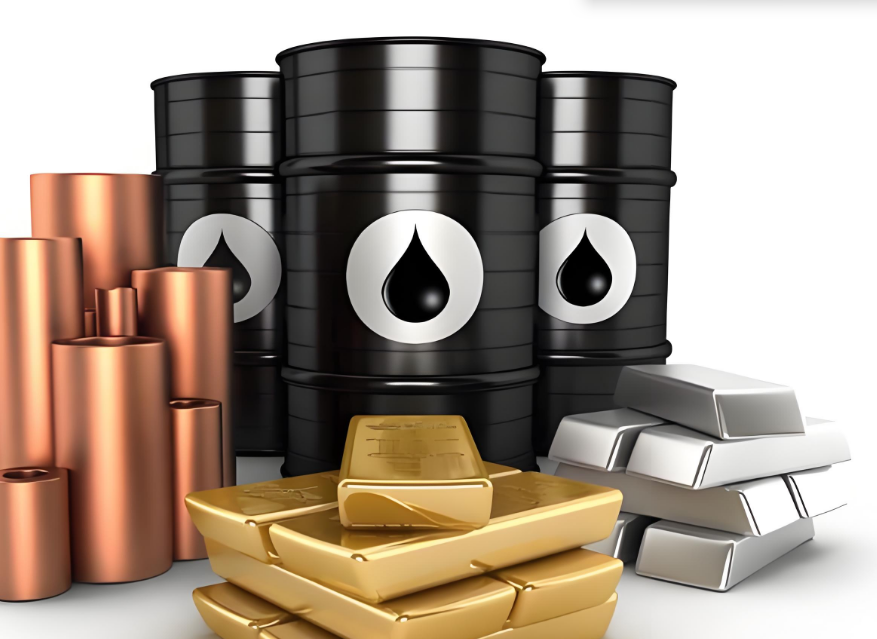
his week, oil prices experienced a significant pullback, with crude oil falling nearly 10% in a single week, attracting widespread attention across global financial markets. After previously rising on geopolitical tensions and supply concerns, the oil market suddenly faced strong selling pressure, leaving many investors wondering: what exactly is the market pricing in, and why did oil prices collapse so quickly?
In reality, market sentiment often shifts faster than fundamentals. This decline in oil prices was not driven by a single factor but rather by multiple bearish expectations occurring simultaneously. Concerns over weakening demand, expectations of looser supply, and profit-taking by investors have all contributed to rapidly cooling bullish sentiment in the crude market.
Slowing Global Growth Raises Demand Concerns
For the oil market, demand expectations remain one of the most important drivers of price direction. Recently, weaker economic data from several countries has increased concerns that slowing global growth could negatively impact energy consumption.
Against the backdrop of softer manufacturing activity and slower consumer spending, investors are reassessing future oil demand. If economic expansion loses momentum, industries such as aviation, manufacturing, and logistics may consume less energy, putting pressure on crude oil prices.
Additionally, fears that weaker economic performance in major economies could reduce global trade activity have further weakened expectations for energy demand. This uncertainty on the demand side has become a major obstacle to any immediate oil price rebound.
Supply Pressure Returns as Bulls Fear Higher Production
Besides demand concerns, supply-side developments are also influencing market expectations. Investors have recently begun discussing whether major oil-producing nations may gradually increase production in the coming months. If supply rises while demand fails to recover at the same pace, the balance between supply and demand could shift back toward oversupply.
At the same time, changes in U.S. inventories and production recovery in some regions have strengthened expectations of adequate supply. This suggests that the “tight supply narrative” that previously supported higher prices may be weakening.
For bullish investors, the biggest fear is not short-term price volatility but a change in market logic. Once capital begins to believe the reasons for higher prices are fading, selling pressure can intensify rapidly.
What Does Falling Oil Mean for Markets?
Although lower oil prices may pressure the energy sector, they could also help ease global inflation concerns. Lower energy costs generally reduce transportation and production expenses, potentially influencing future inflation, central bank policies, and interest rate expectations.
However, markets remain cautious. If economic data improves or geopolitical risks rise again, WTI crude oil and Brent crude oil prices may still rebound. Therefore, whether this correction is merely temporary or marks the beginning of a larger trend reversal remains uncertain.