Many investors often wonder: what is the difference between mutual funds and ETFs (exchange-traded funds)? Understanding these differences can help you choose the most suitable investment tool.
1. Difference in Trading Methods
ETFscan be bought and sold on exchanges like stocks, while mutual funds are typically purchased or redeemed at the daily net asset value (NAV). For investors seeking flexible trading, ETFs are better for short-term operations, whereas mutual funds are more suitable for long-term investment and stable wealth growth.
2. Difference in Fee Structure
The main fees for mutual funds include management fees and subscription/redemption fees, which suit investors who prefer professional asset management. In comparison, ETFs generally have lower fees but may require trading commissions. Investors should consider their investment costs and trading habits when choosing between the two.
3. Risk and Return Characteristics
Mutual fund investing is managed by professional teams, focusing on risk control and long-term returns. In contrast, the performance of ETFs directly reflects market fluctuations. While ETFs offer more flexibility and faster portfolio adjustments, they may involve higher short-term risk.
4. Using TradingTop to Optimize Investment Decisions
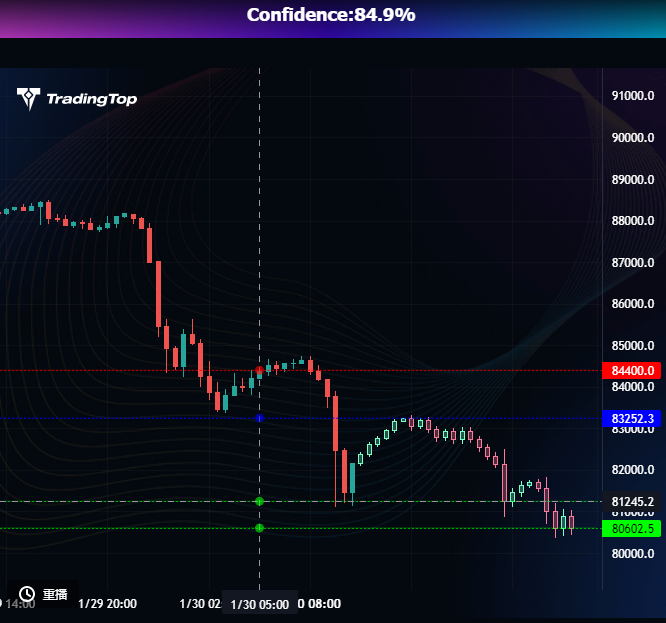
With tools like TradingTop, investors can clearly compare mutual funds and ETFs in terms of historical performance, risk levels, and potential returns. This helps in selecting the investment strategy that best aligns with individual goals.
5. Conclusion
Overall, mutual funds are ideal for stable, long-term investing, while ETFs suit investors seeking more flexible trading. By leveraging TradingTop’s analytical tools and intelligent features, investors can make more informed decisions and achieve sustainable asset growth.