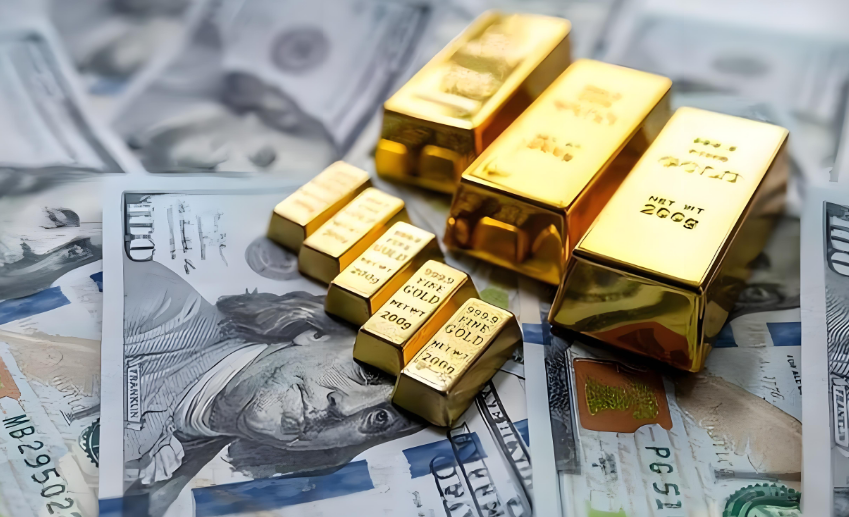
In global financial markets, a rising U.S. dollar index often has a significant impact on precious metals such as gold and silver. Gold, in particular, tends to have an inverse relationship with the dollar. Therefore, when the dollar index continues to climb, the gold market usually faces notable pressure. So, how should investors adjust their strategies in such an environment?
Why a Stronger Dollar Pressures Gold Prices
First, gold is priced in U.S. dollars. When the U.S. dollar strengthens, the cost of purchasing gold increases for investors using other currencies, which suppresses global demand. This pricing mechanism directly leads to downward pressure on gold prices.
In addition, a stronger dollar often reflects solid U.S. economic performance or capital inflows, encouraging investors to favor dollar-denominated assets while reducing their allocation to gold.
The Chain Reaction of Interest Rate Changes
Behind a rising dollar index, there are often expectations of rising interest rates. When interest rates increase, the opportunity cost of holding gold rises, as gold does not generate interest income. As a result, capital tends to flow into yield-bearing assets such as bonds, weakening the appeal of gold.
Thus, the interaction between interest rates and the dollar is a crucial factor influencing gold prices.
Capital Flows and Market Adjustments
As the dollar strengthens, global capital flows tend to shift. Large amounts of capital may move into the U.S. market, boosting dollar assets while reducing investment in precious metals. This capital outflow from the gold market can intensify price fluctuations.
At the same time, portfolio rebalancing by institutional investors can amplify short-term volatility, making gold prices more sensitive to macroeconomic factors.
The Hedging Effect of Safe-Haven Demand
Although a stronger dollar typically weighs on gold, in certain situations, safe-haven sentiment can offset this impact. For example, during periods of global economic uncertainty or rising geopolitical risks, investors may still turn to gold as a protective asset.
In such cases, even with a strong dollar, gold prices may find support or even move higher against the trend.
Investment Strategies and Risk Control
In a rising dollar environment, investors should focus on adjusting their strategies. First, reducing gold exposure can help manage risk. Second, combining technical analysis with macroeconomic insights can help identify better entry points.
At the same time, establishing solid risk management practices—such as setting stop-loss levels and controlling position sizes—is essential for navigating market volatility.
Conclusion
Overall, a rising U.S. dollar index tends to exert downward pressure on the gold market, but this relationship is not absolute. Factors such as interest rates, capital flows, and safe-haven demand all play important roles in shaping gold prices. For investors, understanding these variables and adapting strategies accordingly is key to achieving stable returns in a complex market environment.