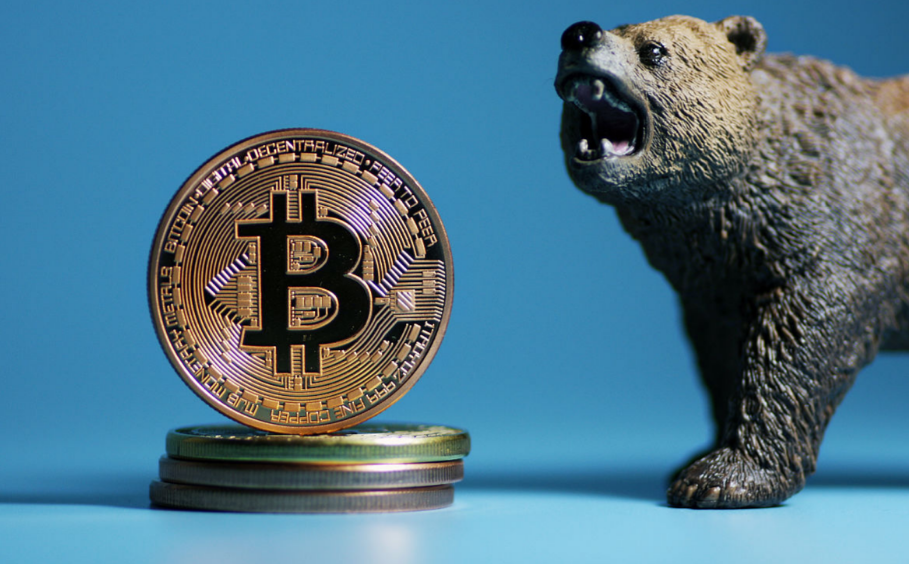
As the financial landscape continues to evolve, Bitcoin has become a major disruptor to traditional currencies, especially the US Dollar. With the rise of decentralized finance, more and more investors are weighing the potential of Bitcoin against the stability of the US Dollar. In an era of economic uncertainty, which currency offers more promise for your financial future? Let’s explore the advantages and risks associated with both.
Bitcoin’s Advantages in the Digital Age
One of Bitcoin‘s key advantages is its decentralized nature. Unlike traditional currencies controlled by central banks and governments, Bitcoin operates on a peer-to-peer network. This means it is immune to inflationary pressures caused by government policies, making Bitcoin an attractive option for those looking to hedge against inflation. As a digital asset, Bitcoin provides an alternative store of value that is not bound by national borders, which is especially appealing in an increasingly globalized economy.
Furthermore, Bitcoin has a capped supply of 21 million coins, which adds to its scarcity and makes it an appealing investment asset. Unlike the US Dollar, which can be printed at will by the Federal Reserve, Bitcoin‘s fixed supply ensures that it cannot be devalued through excessive issuance, making it an effective hedge against USD depreciation.
The Stability of the US Dollar
On the other hand, the US Dollar has long been the world’s primary reserve currency. It plays a central role in global trade, investment, and financial markets, giving it unparalleled liquidity and stability. The US Dollar is backed by the US government, and its value is supported by the country’s strong economic fundamentals and global influence. Central banks around the world hold US Dollar reserves to support their economies, further cementing the US Dollar‘s position as the dominant global currency.
In addition, the US Dollar benefits from a well-established regulatory framework, which helps maintain its stability during economic crises. The Federal Reserve’s ability to adjust interest rates and implement monetary policies effectively manages inflation, ensuring the US Dollar remains strong in global markets.
Bitcoin’s Volatility: A Risk to Consider
Despite its potential as an alternative to traditional currencies, Bitcoin‘s price volatility remains a significant risk. While it has experienced dramatic price increases, it has also seen steep declines. This volatility makes Bitcoin challenging to use as a stable store of value, especially for those seeking consistent long-term growth. In contrast, the US Dollar provides a more stable option for those who want to preserve their purchasing power without the risk of significant fluctuations.
Conclusion: Bitcoin or US Dollar?
As the battle between Bitcoin and the US Dollar continues, both assets have their unique advantages and challenges. Bitcoin offers a decentralized, inflation-resistant alternative currency, but its volatility and lack of widespread adoption limit its appeal. The US Dollar, with its stability and widespread use, remains the dominant currency in global finance, but its value can be affected by government policies and USD depreciation pressures.
For those looking to diversify their portfolios and hedge against economic uncertainty, a combination of both may be the best strategy. By balancing the potential of Bitcoin with the stability of the US Dollar, investors can position themselves for success in an increasingly complex financial landscape.