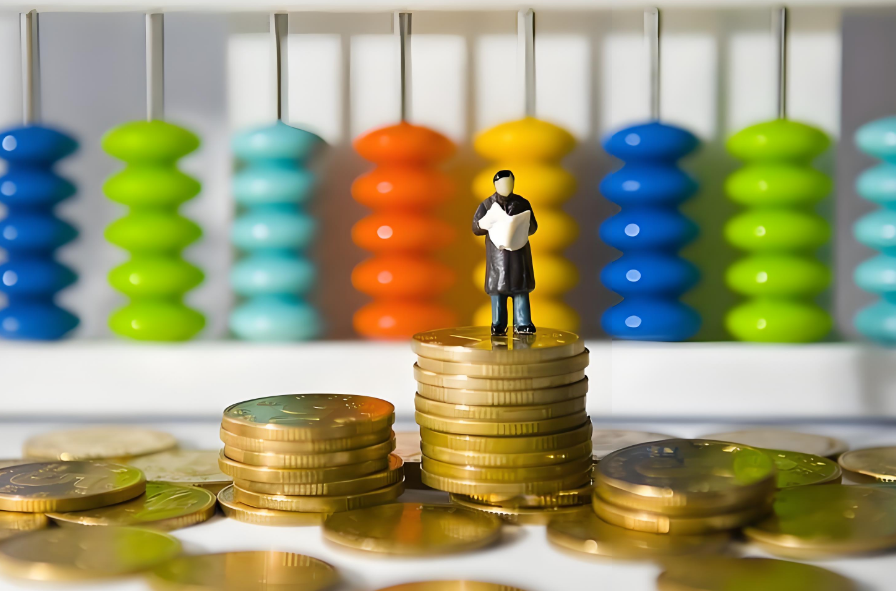
In the context of global economic turmoil, capital flows have become a key market signal. With rising geopolitical tensions, economic growth uncertainties, and changes in central bank policies, global investors are facing unprecedented pressures. On one hand, market uncertainty is escalating, and on the other hand, demand for safe-haven assets is surging. In response, investor capital is beginning to show a trend of fleeing from high-risk assets. Many are pulling funds out of the stock market and high-risk bonds, shifting them into safer safe-haven assets.
First, the stock market crashes have triggered a large-scale capital exodus. Due to market instability, many investors are losing confidence and are selling stocks, particularly high-volatility tech stocks and emerging market equities. The intense volatility in capital markets has caused investors’ risk appetites to plummet. This “capital exodus” is particularly noticeable in U.S. and European stock markets. Investors are opting for more conservative strategies, reducing their exposure to the stock market, and seeking more stable investment avenues.
Compared to the stock market, gold, as a traditional safe-haven asset, has become the preferred choice for fleeing capital. As global uncertainty increases, demand for gold has surged, driving its price to new highs. The rise in gold prices not only reflects concerns about the future economic outlook but also indicates investors’ trust in traditional safe-haven instruments. In fact, gold has consistently performed well during global crises and has become a core component of many investment portfolios, especially in a prolonged low-interest-rate environment.
In addition to gold, the U.S. dollar is also a popular choice for investors seeking safety. As the Federal Reserve raises interest rates and expectations of a stronger dollar increase, much of the capital is flowing into dollar-denominated assets. The U.S. dollar, as the world’s primary reserve currency, typically performs strongly in times of global economic uncertainty. Whether in U.S. Treasury bonds or other dollar-denominated assets, the dollar has become a primary destination for safe-haven capital.
However, the emerging markets are seeing a significant outflow of funds, which has raised widespread concerns. As global interest rates rise and the dollar strengthens, debt burdens in emerging markets are becoming heavier, making capital flows increasingly strained. Asset prices in these markets are generally declining, and there is a massive outflow of funds from both equity and bond markets. For these markets, capital outflows may signal slower economic growth and increased pressure on the financial system.
Behind this capital exodus lies a broader decline in investor confidence about future economic growth. While in the short term, the movement of capital into safe assets may provide temporary stability to the markets, the long-term challenge remains the uncertainty surrounding the global economy. How investors navigate this situation and seek opportunities amidst volatility will shape future investment trends.
Overall, the large-scale global capital exodus from high-risk assets into safe-haven assets reflects the heightened uncertainty surrounding the economic outlook. Going forward, how investors balance risk and reward will become a critical issue they must address.