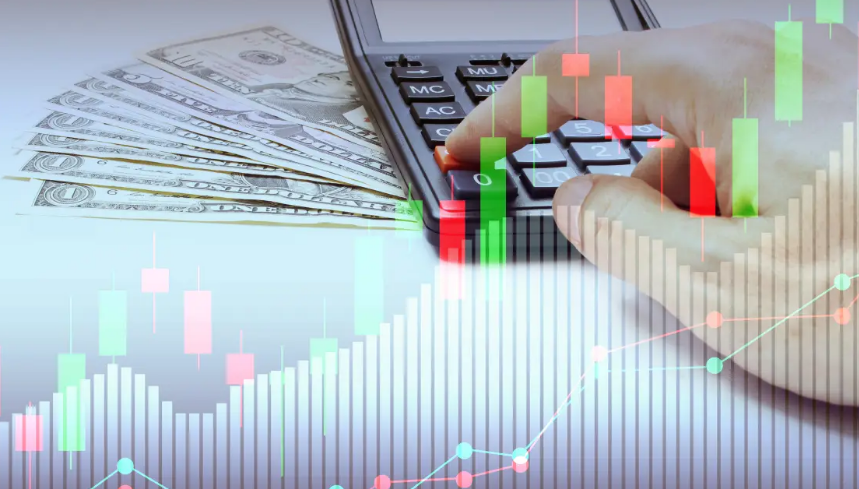
With the development of financial technology, smart finance is transforming traditional trading models. In the past, traders relied mainly on experience and intuition, but markets are increasingly shifting toward data-driven and algorithm-based decision-making. The rise of algorithmic trading has made market analysis more efficient and provided investors with more precise trading tools. In the future, competition in financial markets will focus less on capital and experience and more on data processing and strategy optimization.
The core of modern trading lies in the use of market data. Financial markets generate vast amounts of information daily, including price movements, trading volume changes, and news sentiment. Through data analysis, traders can identify potential trends and develop more scientific strategies. Compared with traditional methods, data-driven trading reduces emotional bias and improves decision objectivity and predictability. This is why an increasing number of institutional investors rely on quantitative models for trading.
quantitative strategies play a growing role in volatility trading. Quantitative trading uses mathematical models and statistical methods to identify market opportunities rather than relying on subjective judgment. Historical data backtesting allows traders to validate strategy effectiveness and optimize parameters to enhance return stability. Although quantitative trading cannot guarantee profits in every trade, it reduces decision bias and improves long-term trading success.
However, technological progress does not eliminate risk. risk hedging remains a crucial component of trading. Market volatility is unpredictable, and even advanced algorithms may result in losses. Therefore, proper stop-loss strategies and position management are essential. Diversification and asset allocation also help reduce risk exposure. A well-structured investment portfolio minimizes the impact of individual asset fluctuations and enhances capital stability.
Future financial markets will place greater emphasis on combining market sentiment with data analysis. Sentiment shifts often influence short-term price movements, while data analysis provides objective decision support. Traders must learn to interpret market psychology while relying on data-driven insights. Only by integrating both approaches can they achieve more stable returns in complex market conditions.
Looking ahead, smart finance and data-driven trading will continue to evolve. Financial markets are no longer exclusive to institutional players—individual investors can also leverage technology to improve trading performance. However, technology remains a supporting tool; ultimate success still depends on strategy and discipline. Market opportunities and risks coexist, and only scientific trading methods can achieve long-term sustainable returns.
Financial markets are being reshaped by technology, and investors must adapt to this transformation. By learning algorithmic trading and data analysis, traders can better understand market dynamics and improve decision quality. The future belongs to data and intelligence, but success still belongs to those willing to learn and adapt.