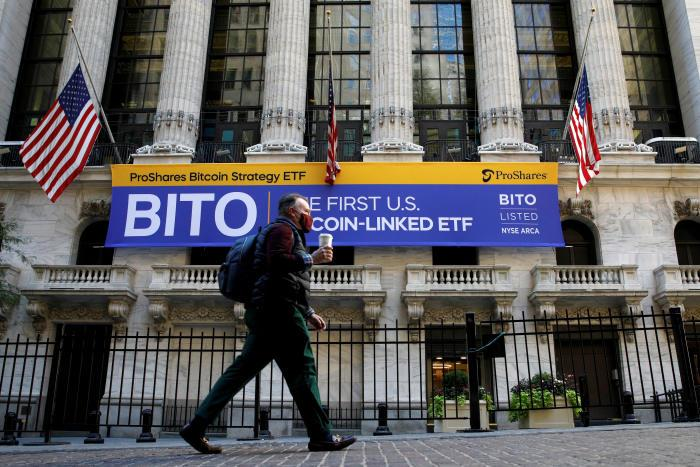
With the rapid development of the global digital economy, Digital Assets are becoming an increasingly important part of the financial market. From cryptocurrencies and decentralized finance to emerging Web3 applications, digital technologies are reshaping the way value is created, transferred, and managed. For investors, understanding where future opportunities may emerge has become a key topic. So, which areas within the digital currency sector are worth paying attention to in the coming years?
Digital Assets: A New Direction for Future Finance
The growth of Digital Assets represents a major shift in the evolution of the global financial system. Unlike traditional assets, digital assets rely on digital networks and technological infrastructure, allowing faster transactions, greater accessibility, and new forms of ownership.
As institutional participation increases and regulatory frameworks gradually improve, digital assets are moving from a niche market toward broader financial adoption. In the future, areas such as cryptocurrencies, tokenized assets, and digital financial products may provide investors with new opportunities.
Blockchain Technology Creates Long-Term Value
The development of Blockchain technology is one of the most important drivers behind the digital currency industry. With characteristics such as decentralization, transparency, and security, blockchain has expanded beyond cryptocurrencies and is now being explored in payments, supply chain management, asset management, and financial services.
In the future, blockchain-based infrastructure may become an essential part of the global financial ecosystem. Companies and projects that provide blockchain solutions, digital identity systems, and decentralized applications could become important areas for long-term investment attention.
Web3: The Next Stage of Internet Development
Another major area attracting investor interest is Web3. Unlike the traditional internet model dominated by centralized platforms, Web3 aims to create a more decentralized digital environment where users can have greater control over data ownership and digital assets.
Applications related to decentralized finance (DeFi), digital ownership, virtual economies, and blockchain-based services may create new business models. As Web3 technology continues to develop, industries such as gaming, entertainment, finance, and digital commerce could experience significant transformation.
Financial Technology Drives Digital Transformation
The integration of Financial Technology and digital assets is accelerating innovation across the financial sector. Digital payments, smart contracts, automated investment platforms, and blockchain-based settlement systems are improving efficiency and reducing operational costs.
Traditional financial institutions are also increasing their investment in fintech solutions, creating opportunities for companies that combine technology with financial services. In the future, the intersection of fintech and digital assets may become one of the most important growth areas in global finance.
How Should Investors Identify Future Opportunities?
Although the digital currency sector offers significant potential, investors should also consider risks such as regulatory uncertainty, market volatility, and technological challenges. Not every digital asset project will achieve long-term success.
Future investment opportunities may focus more on projects with strong technological foundations, practical applications, and sustainable business models. Instead of simply following market trends, investors should evaluate the real value and long-term development potential of each sector.
Conclusion
The rise of digital currency is not only changing the way people view money and assets but also creating new opportunities across the global financial industry. As Digital Assets, Blockchain, Web3, and Financial Technology continue to evolve, the digital economy may become one of the most influential forces shaping the future financial landscape.
For investors, understanding these emerging fields and identifying high-quality opportunities may become an important strategy for participating in the next wave of financial innovation.