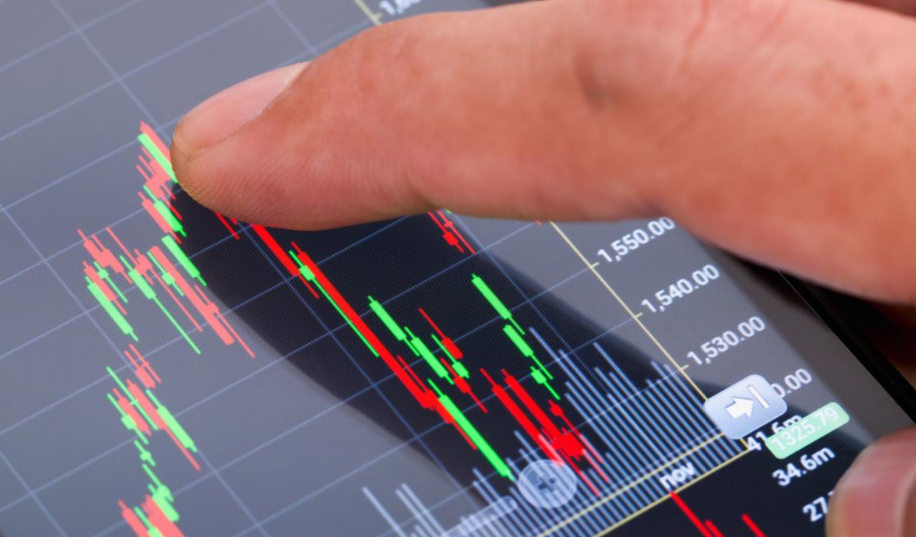
In the global financial market, gold has long been regarded as a core safe-haven asset. When European and U.S. stock markets experience significant volatility or economic uncertainty rises, investors often shift funds into gold to reduce overall portfolio risk. Understanding stock market fluctuations, U.S. dollar trends, and the market’s reaction to economic data and interest rate expectations is crucial for developing effective investment strategies.
European and U.S. stock market volatility is a major factor influencing gold demand. When the U.S. or European major indices drop sharply, investors seek safe-haven assets, increasing gold purchases and often pushing prices higher. Market uncertainty enhances gold’s role as a safe-haven asset, making it more attractive in global capital markets.
Additionally, the strength of the U.S. dollar can amplify the impact of stock market volatility on gold. When U.S. dollar trends strengthen, gold prices may face downward pressure; however, during sharp stock market declines, its safe-haven function continues to drive demand. Investors should monitor the dollar index alongside the monetary policies of major European and U.S. economies to anticipate potential gold movements.
Economic data and European and U.S. interest rate policies are also closely linked to stock market fluctuations. Key indicators such as employment reports, inflation data, and GDP growth affect market expectations of future interest rate expectations, indirectly influencing gold prices. For example, when economic data is weak, stock market volatility increases, and interest rate expectations decline, gold often becomes a capital safe haven.
In summary, gold prices are closely related to European and U.S. stock market volatility, U.S. dollar trends, economic data, and market interest rate expectations. Investors should analyze stock market trends and macroeconomic factors comprehensively when developing gold investment strategies, maximizing gold’s safe-haven value while seizing market opportunities.