Recently, volatility across global financial markets has increased significantly. Multiple factors—including Federal Reserve interest rate policy, oil prices, geopolitical tensions, and corporate earnings reports—are shaping investor sentiment. As uncertainty grows, one key question stands out: Should investors adjust their asset allocation, and which assets deserve greater attention?
Why Are Global Markets Becoming More Volatile?
First, uncertainty surrounding the Federal Reserve‘s interest rate path remains high. Constant shifts in rate expectations have fueled volatility across the U.S. dollar, bond, and equity markets. Meanwhile, rising crude oil prices have reignited concerns about inflation, while ongoing geopolitical tensions continue to increase demand for safe-haven assets.
At the same time, U.S. companies are reporting quarterly earnings, with investors paying close attention to whether earnings can justify elevated valuations, particularly in the technology sector. Even small disappointments in earnings results can trigger sharp market swings.
How Should Investors Adjust Their Asset Allocation?
1. Increase Exposure to Defensive Assets
During periods of heightened uncertainty, investors may consider allocating a larger portion of their portfolios to cash, short-term government bonds, or other lower-risk investments to reduce overall portfolio volatility.
2. Focus on Safe-Haven Assets
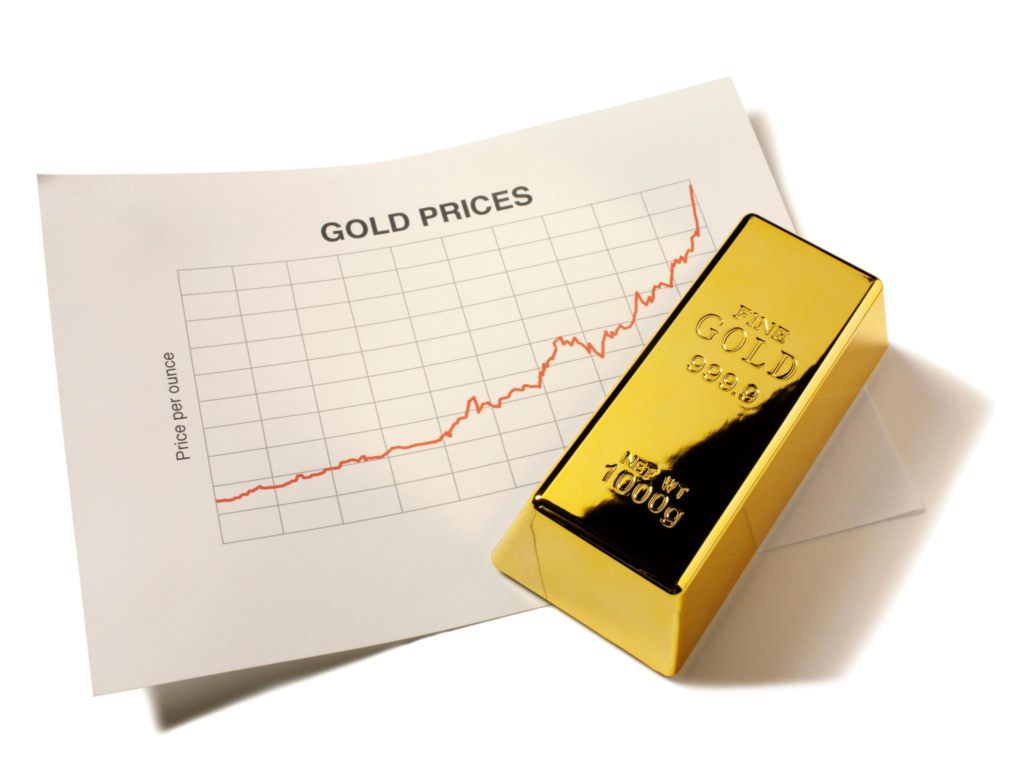
Gold has historically performed well during periods of geopolitical uncertainty, rising inflation expectations, and increased market risk aversion. Many market analysts continue to view gold as an effective portfolio hedge.
3. Manage Exposure to High-Valuation Sectors
Investors should avoid concentrating too heavily in high-performing technology and AI-related stocks. A diversified portfolio across multiple industries can help reduce risk during volatile market conditions.
4. Maintain a Long-Term Investment Perspective
Short-term volatility does not necessarily signal the end of a long-term market trend. History shows that high-quality assets often recover over time and continue to generate attractive long-term returns.
What Should Investors Watch Next?
Over the coming months, investors should closely monitor the following key factors:
- Federal Reserve interest rate policy
- Oil prices
- Corporate earnings
- Geopolitical risks
Conclusion
When markets enter a period of elevated volatility, successful investing is less about predicting short-term price movements and more about building a resilient portfolio. By diversifying investments, increasing exposure to defensive assets, and maintaining positions in high-quality long-term assets, investors can better manage risk while positioning themselves for future opportunities