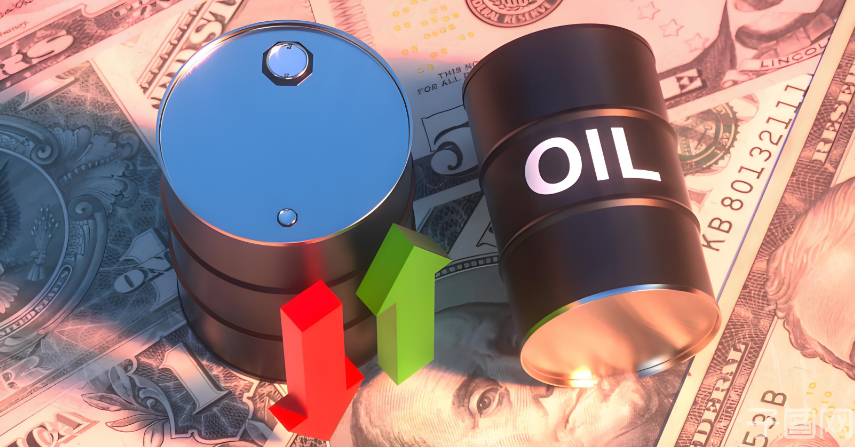
If the US Dollar exchange rate were to face disruptions due to a prolonged closure of the Strait of Hormuz, the global financial market would experience significant shocks. Because international trade and oil transactions rely heavily on the US dollar, any disruption in the supply chain could trigger uncertainty in currency markets.
Firstly, restricted oil exports may increase demand for dollars. Oil-importing countries need to hold dollars for energy payments, which could push up the short-term value of the US dollar. At the same time, global capital flows may intensify due to market panic, putting foreign exchange liquidity under pressure. Investors must closely monitor currency trends and capital movements to mitigate potential losses, using real-time data to assess investment opportunities.
Secondly, the strength of the dollar directly affects cross-border payments. A stronger dollar increases the payment burden for other currencies, suppressing imports and consumer demand, while a weaker dollar can raise import costs and contribute to inflationary pressures. Businesses and investors can implement currency hedging strategies to diversify portfolios, reduce risks, and maintain stable cash flow.
Furthermore, a prolonged Strait of Hormuz closure could trigger ripple effects across the global financial system. Inflationary pressures from high oil prices might compel the Federal Reserve to adjust interest rate policies, further impacting the US dollar’s trajectory. Investors can utilize foreign exchange derivatives to hedge risks while combining macroeconomic data to optimize investment planning and asset allocation.
Finally, geopolitical factors cannot be ignored. A long-term closure of the Strait of Hormuz is not only an energy crisis but may also heighten global tensions. Investors should evaluate political risks’ potential impact on currency markets. By monitoring the US dollar index and global financial dynamics, they can develop effective risk management strategies and identify market opportunities.
In conclusion, a Strait of Hormuz blockade would significantly affect the US Dollar exchange rate, foreign exchange liquidity, currency hedging strategies, foreign exchange derivatives, and the US dollar index. Investors must closely track market developments and adjust strategies promptly to address potential financial turbulence and global economic uncertainty.